
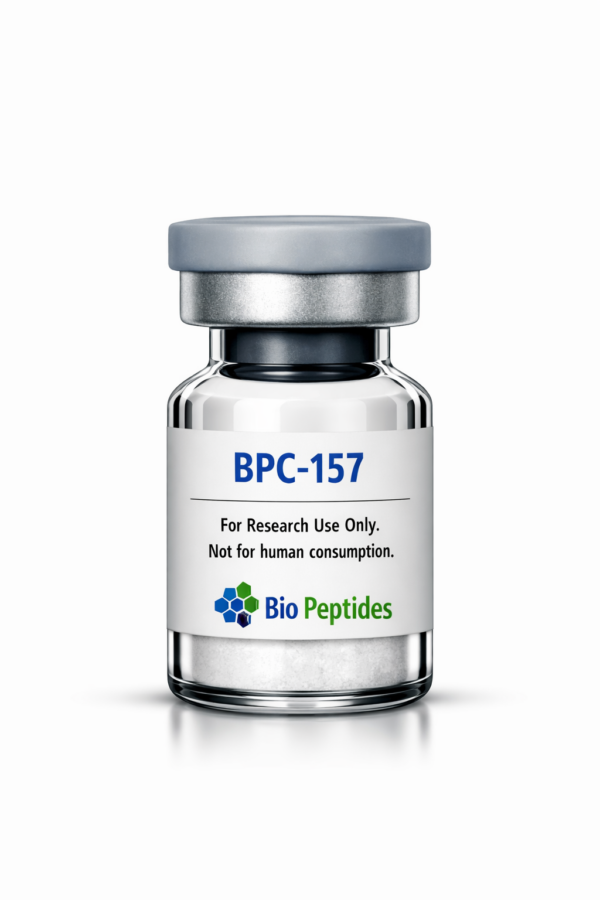
What Is BPC-157? A Medical Look at Peptides and Your Safety Checklist
If you’ve been researching recovery treatments for joint pain, tendon injuries, or muscle damage, you’ve probably come across BPC-157 peptide for joint repair safety. It’s often promoted online as a powerful healing compound. But what exactly is it? And more importantly, is it safe?
Here’s a clear, medically grounded look at BPC-157, what we know, what we don’t know, and how to protect yourself.
What Is BPC-157?
BPC-157 stands for “Body Protection Compound-157.” It’s a synthetic peptide, meaning it’s a small chain of amino acids (the building blocks of proteins).
BPC-157 is derived from a naturally occurring protein found in human gastric (stomach) juice. Researchers became interested in it because early laboratory studies suggested it might:
- Promote tissue healing
- Support blood vessel growth (angiogenesis)
- Reduce inflammation
- Help repair muscle, tendon, and ligament injuries
Because of these findings, BPC-157 has gained popularity in sports medicine circles and online wellness communities.
However, there is a crucial point to understand:
BPC-157 is not approved by the U.S. Food and Drug Administration (FDA) for medical use in humans.
Most of the research has been conducted in animals, not large-scale human clinical trials.
How Is BPC-157 Supposed to Work?
Researchers believe BPC-157 may:
- Stimulate growth factors involved in tissue repair
- Support new blood vessel formation
- Protect cells from inflammatory damage
- Influence nitric oxide pathways (important for circulation)
In animal studies, BPC-157 has shown potential in healing:
- Torn tendons
- Muscle injuries
- Ligament damage
- Bone fractures
- Gastrointestinal ulcers
This is why it’s often marketed as a BPC-157 peptide for joint repair safety and recovery enhancement.
But animal data does not always translate to humans. That’s where caution is needed.
What Does the Human Research Say?
Here’s the honest answer: Human data is very limited.
There are no large, well-controlled clinical trials proving:
- It safely repairs joints in humans
- It improves arthritis
- It speeds recovery after orthopedic surgery
- It is safe long-term
Some small studies and case reports suggest possible benefit, but these are not strong enough to establish safety or effectiveness.
Without high-quality human trials, doctors cannot confidently answer:
- What is the ideal dose?
- What are the long-term risks?
- How does it interact with other medications?
- Could it increase cancer risk by stimulating growth pathways?
These are serious questions that remain unanswered.
Is BPC-157 Legal?
This is where things get complicated.
- BPC-157 is not FDA-approved
- It is often sold as a “research chemical”
- It is not legally marketed as a dietary supplement
- Compounded versions may be available through some clinics
Because it exists in a regulatory gray zone, quality control varies widely. That creates real safety concerns.
Potential Benefits of BPC-157 (Based on Early Research)
While we must be cautious, here are areas where early research suggests possible promise:
1. Tendon and Ligament Healing
Animal studies show accelerated healing of damaged tendons and ligaments.
2. Muscle Repair
Research suggests faster muscle regeneration after injury.
3. Joint Support
Some claim improved joint pain and recovery, but this is mostly anecdotal.
4. Gut Protection
Because it originates from gastric peptides, it may support ulcer healing in animal models.
Again, these findings are promising — but not yet confirmed in large human trials.
BPC-157 Peptide for Joint Repair Safety: What Are the Risks?
When evaluating BPC-157 peptide for joint repair safety, here’s what you need to consider:
1. Lack of Long-Term Safety Data
We do not know the long-term effects on:
- Cancer risk
- Organ health
- Hormonal balance
- Immune function
Anything that stimulates tissue growth deserves careful scrutiny.
2. Product Purity Concerns
Because it’s often sold online:
- Doses may be inaccurate
- Contaminants may be present
- Sterility is not guaranteed
This increases infection risk, especially with injectable forms.
3. Unknown Drug Interactions
There is no reliable data on how BPC-157 interacts with:
- Blood thinners
- Blood pressure medications
- Immunosuppressants
- Cancer therapies
4. Injection Risks
Many users inject BPC-157 subcutaneously (under the skin), which carries risks:
- Infection
- Abscess
- Incorrect dosing
- Tissue damage
Who Should Definitely Avoid It?
Until more research exists, extreme caution is advised if you:
- Have a history of cancer
- Are pregnant or breastfeeding
- Have autoimmune disease
- Take multiple prescription medications
- Have chronic liver or kidney disease
If joint pain or injury is severe, worsening, or affecting your ability to walk or function, do not rely on online peptides. Seek proper medical evaluation.
A Practical Safety Checklist
If you are considering BPC-157, here is a responsible safety checklist:
- ✅ Speak to a licensed physician first
- ✅ Ask about evidence-based alternatives
- ✅ Review your medication list for possible interactions
- ✅ Confirm the legal status in your region
- ✅ Avoid purchasing from unverified online sources
- ✅ Never self-inject without medical supervision
- ✅ Monitor for unusual symptoms (swelling, fever, severe pain)

Reviews
There are no reviews yet.